40 drug facts labels list information in the following order
Guidance for Industry - Food and Drug Administration information about the drug product. This information must be organized according to the following headings and must be presented in the following order: 1. Title (Drug Factsor Drug... AHFS Drug Information® - ASHP AHFS Drug Information. AHFS DI is the most comprehensive evidence-based source of drug information complete with therapeutic guidelines and off-label uses. With expanded and revised content supported by more than 97,000 references and incorporating the advice of numerous subject matter experts, AHFS DI helps you protect your patients.
Use Medicines Safely - MyHealthfinder | health.gov The information on this label can help you choose the right OTC medicine for your symptoms. The Drug Facts label also gives you instructions for using the medicine safely. OTC medicines can cause side effects or harm if you use too much or don't use them correctly. Following the directions on the Drug Facts label will lower your chances of ...

Drug facts labels list information in the following order
FDA Label Search Please be aware of the following when using information from this Web site: The drug labels and other drug-specific information on this Web site represent the most recent drug listing information companies have submitted to the Food and Drug Administration (FDA). (See 21 CFR part 207.) The drug labeling and other information has been ... Drug Facts Labeling - Food and Drug Administration The Drug Facts labeling is designed to facilitate reading and understanding information presented on the label. It should be noted that products having both drug and cosmetic uses, like lipstick that also acts as a sunscreen, must comply with both drug labeling and cosmetic labeling requirements. In addition, the listing of inactive ingredients ... Drug labeling, Information about Drug labeling - FAQs Drug labeling isregulated by the Food and Drug Administration's Division of Drug Marketing,Advertising, and Communications. These regulations apply to prescription drugs, over-the-counter (nonprescription) drugs, and dietary supplements. The Food and Drug Administration (FDA) requires that drug labeling be balanced and not misleading.
Drug facts labels list information in the following order. Nutrition facts label - Wikipedia The label begins with a standard serving measurement, calories are listed second, and then following is a breakdown of the constituent elements including % daily value (%DV). Always listed are total fat, sodium, carbohydrates and protein; the other nutrients usually shown may be suppressed, if they are zero. Chapter 7 NHA237 Flashcards - Quizlet A drug monograph or official label should include all of the following except: Classification Indication and contraindications Chemical and generic names Cost Cost Which resource is widely used when patients do not know the name of the drug they are taking and have removed it from its original prescription vial? Ident-A-Drug Reference PDR How to Read Over the Counter Drug Labels - Verywell Health The U.S. Food and Drug Administration (FDA) requires all over-the-counter (OTC) medications to have a Drug Facts label. This label provides basic information about a drug's ingredients, instructions for use, and important safety cautions and interactions. This information will help you to select the correct medication and to use it properly. 1 A - Z Drug List from Drugs.com Invokana Januvia Jardiance Kevzara Lexapro Lisinopril Lofexidine Loratadine Lyrica Melatonin Meloxicam Metformin Methadone Methotrexate Metoprolol Naloxone Naltrexone Naproxen Omeprazole Onpattro Otezla Ozempic Pantoprazole Prednisone Probuphine Rybelsus secukinumab Sublocade Tramadol Trazodone Viagra Wellbutrin Xanax Zubsolv Consumer Drug Sources
Over the Counter (OTC) Drug Labels - webPOISONCONTROL All over-the-counter (OTC) medication labels contain Drug Facts. Drug Facts include important information about the active ingredient (s), uses, warnings, doses, and directions. Serkalem Mekonnen, RN, BSN, MPH Certified Specialist in Poison Information Poisoned? Call 1-800-222-1222 or HELP ME online Prevention Tips Prescription Drug Labeling Resources | FDA FDA's Prescription Drug Labeling Resources website provides over 150 labeling resources for the Prescribing Information, FDA-approved patient labeling, and/or carton and container labeling for... DrugFacts | National Institute on Drug Abuse (NIDA) Drugged Driving DrugFacts. December 2019 | Provides basic facts about drugged driving, including statistics, trends, and teen prevalence, and explains why drugged driving is hazardous, particularly as it relates to marijuana. How to Read Over-the-Counter and Prescription Drug Labels The Drug Facts label for the over-the-counter drug acetaminophen, known by the brand name Tylenol, includes information about ingredients, uses, warnings and directions. Active Ingredient and Purpose. This section lists the ingredient that makes the drug work.
Chapter 7 Flashcards - Quizlet A drug monograph or official label should include all of the following except: Cost Which reference book is a compilation of package inserts from manufacturers who have paid a fee to have their drugs included? Physician's Desk Reference (PDR) Which reference book is a comprehensive listing of medication bioequivalence? Orange Book Pharmacology Chapter 1 Introduction to Drugs - Quizlet Pharmacology is the study of the biologic effects of chemicals. Nurses are involved with clinical pharmacology or pharmacotherapeutics, which is a branch of pharmacology that deals with the uses of drugs to treat, prevent, and diagnose disease. The radiology nurse is administering a drug to help diagnose a disease. Commonly Used Drugs Charts | National Institute on Drug Abuse Commonly Used Drugs Charts. Many drugs can alter a person's thinking and judgment, and can lead to health risks, including addiction, drugged driving, infectious disease, and adverse effects on pregnancy. Information on commonly used drugs with the potential for misuse or addiction can be found here. Nutrition chap 12 quiz Flashcards | Quizlet A. A nutrient claim is. A. a declaration on food packages to indicate a possibly beneficial nutrient. B. not federally regulated. C. more specific information about what the food product contains. D. a statement on the label about how that nutrient may affect the human body's structure. E. All of the above.
Русский АвтоМотоКлуб | Экспресс-помощь на дорогах для мотоциклистов в России и Европе
Understanding Drug Labels - Basicmedical Key The label on the penicillin VK suspension ( Fig. 5.5) shows that each 5 mL of suspension contains 125 mg of penicillin. The epinephrine injection label ( Fig. 5.6) indicates a dosage supply of 0.1 mg/mL, and the total volume of the ampul is 10 mL. Figure 5.4 The dosage strength of this dosage form of Diflucan ® (fluconazole) is 200 mg.

How To Read Food and Beverage Labels - National Institute on Aging At the top of the Nutrition Facts label, you will find the total number of servings in the container and the food or beverage's serving size. The serving size on the label is based on the amount of food that people may typically eat at one time and is not a recommendation of how much to eat. Read more about serving and portion sizes.

Русский АвтоМотоКлуб | Экспресс-помощь на дорогах для мотоциклистов в России и Европе
OTC Drug Facts Label | FDA Patterned after the Nutrition Facts food label, the Drug Facts label uses simple language and an easy-to-read format to help people compare and select OTC medicines and follow dosage instructions....

Indian hot dating night club pub girls: Aunties boobs.Lesbian is a term most widely used in the ...
Code of Federal Regulations Title 21 - Food and Drug Administration Sec. 201.61 Statement of identity. (a) The principal display panel of an over-the-counter drug in package form shall bear as one of its principal features a statement of the identity of the commodity. (b) Such statement of identity shall be in terms of the established name of the drug, if any there be, followed by an accurate statement of the ...

Dietary Supplement Labeling Guide: Chapter IV - FDA This results in the following order for vitamins and minerals: Vitamin A, vitamin C, vitamin D, vitamin E, vitamin K, thiamin, riboflavin, niacin, vitamin B6, folate, vitamin B12, biotin,...

FREEDOMFIGHTERS FOR AMERICA - THIS ORGANIZATIONEXPOSING CRIME AND CORRUPTION NEVER FORGET THE ...
Chapter 7&8 Pharm. Tech Flashcards | Quizlet The first step in using a reference source is to: Determine the appropriate reference source. The second step in using a reference source is to. Look up the drug. Some references organized by drug names use only the drug's: Generic name. The final step in using a drug information resource is to: Locate the desired information and read it carefully.
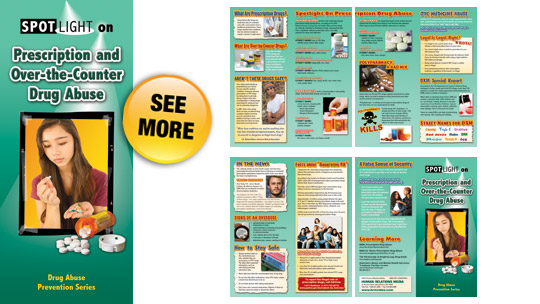
SPOTLIGHT on Prescription and Over-the-Counter Drug Abuse Pamphlets - Human Relations Media - K ...
Food Label Reading - What You Need to Know - Drugs.com Following are the recommended daily amount of some vitamins and minerals. Vitamin A % - 5000 units per day. Vitamin C % - 60mg per day. Calcium % - 1g or 1000mg per day. Iron % - 18mg per day. Riboflavin % - 1.7mg per day. Niacin % - 20mg per day. Folic Acid % - 0.4mg per day. Phosphorus % - 1.0g per day. Magnesium % - 400mg per day.

Indian hot dating night club pub girls: Aunties boobs.Lesbian is a term most widely used in the ...
National Drug Codes Explained: What You Need to Know The 10-digit NDC will be in one of the following configurations: 4-4-2, 5-3-2, or 5-4-1, meaning that there are 4 or 5 digits for the labeler code, 4 or 3 digits for the product code and 2 or 1 digit(s) for the package code. ... National Drug Code Database Background Information. The U.S. Food and Drug Administration (FDA). Accessed Oct. 1, ...
Post a Comment for "40 drug facts labels list information in the following order"